

في هذا المقال
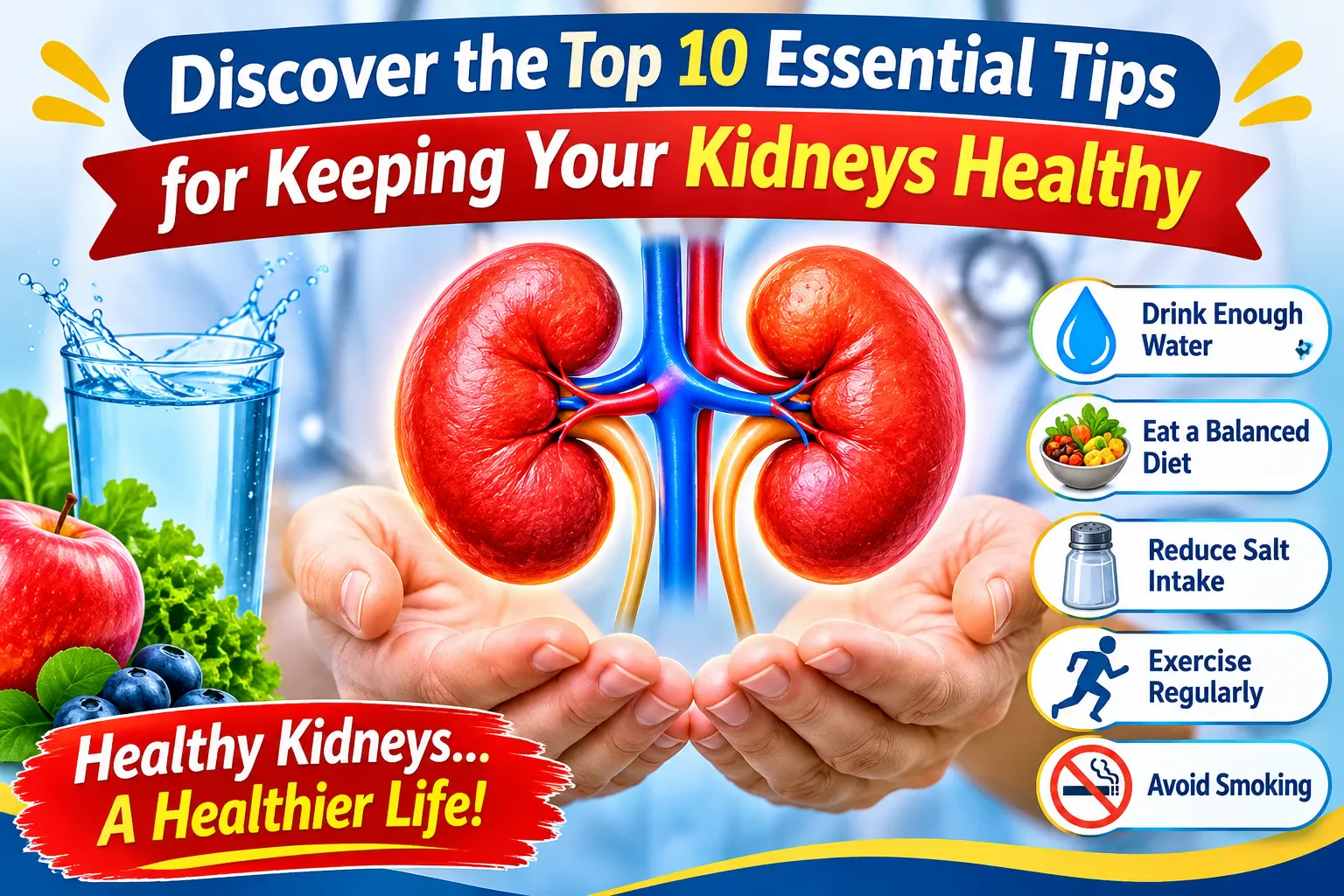
10 Essential Tips to Keep Your Kidneys Healthy
Your kidneys play a vital role in keeping your body healthy. These two small, bean-shaped organs filter waste products and excess fluids from your blood, help regulate blood pressure, balance important minerals, and support red blood cell production. Healthy kidneys are essential for maintaining the proper functioning of many systems throughout the body.
However, kidney problems can develop gradually, and early kidney disease may not cause noticeable symptoms. The good news is that adopting healthy daily habits can help protect kidney function and reduce the risk of developing certain kidney conditions.
Here are 10 essential tips to help you maintain healthy kidneys and support your overall well-being.
1. Drink Enough Water Every Day
Drinking enough water helps your kidneys remove waste products from the blood through urine. Adequate hydration also reduces the concentration of substances that can contribute to some types of kidney stones.
Your daily fluid needs depend on several factors, including your age, physical activity, climate, and overall health. People living in hot environments or exercising regularly may need more fluids than those who spend most of their day in cool conditions.
A simple way to monitor hydration is to pay attention to thirst and urine color. Pale-yellow urine often indicates adequate hydration, although certain medications and medical conditions can affect its color.
However, drinking excessive amounts of water does not necessarily improve kidney health. People with advanced kidney disease, heart failure, or prescribed fluid restrictions should follow their healthcare professional's recommendations.
2. Follow a Balanced and Healthy Diet
A balanced diet supports kidney function by helping regulate blood pressure, blood sugar, and body weight. Include a variety of vegetables, fruits, whole grains, and appropriate sources of protein in your daily meals.
Foods such as apples, berries, cabbage, cauliflower, and whole grains can be part of a healthy eating pattern. Choose fresh foods more often than highly processed products, which may contain excessive amounts of sodium and other additives.
You do not need to eliminate every food you enjoy to protect your kidneys. Instead, focus on moderation, variety, and consistent healthy eating habits.
People who already have kidney disease may need individualized dietary advice, particularly regarding potassium, phosphorus, sodium, and protein.
3. Reduce Your Salt Intake
Consuming too much sodium can increase blood pressure, which is a major risk factor for kidney damage. Over time, uncontrolled high blood pressure can harm the small blood vessels responsible for filtering waste from your blood.
To reduce sodium intake, limit processed meats, packaged snacks, instant noodles, canned foods with added salt, and heavily salted meals. Read nutrition labels and compare products before buying them.
Try using herbs, garlic, lemon juice, and spices to add flavor instead of relying on large amounts of salt.
For most adults, the World Health Organization recommends consuming less than 2,000 milligrams of sodium per day, equivalent to less than 5 grams of salt. Your healthcare professional may recommend a different target depending on your condition.
4. Keep Your Blood Pressure Under Control
High blood pressure can damage kidney blood vessels, making it harder for the kidneys to filter blood effectively. Kidney disease can also contribute to high blood pressure, creating a cycle that may worsen both conditions.
Check your blood pressure regularly, especially if you have diabetes, a family history of kidney disease, or previously elevated readings.
You can help control blood pressure by exercising, reducing sodium intake, maintaining a healthy weight, avoiding tobacco, and taking prescribed medication as directed.
Do not stop or change blood pressure medication without consulting your healthcare professional. Appropriate treatment can help protect kidney function over time.
5. Maintain Healthy Blood Sugar Levels
Diabetes is one of the leading causes of chronic kidney disease. Persistently high blood sugar can damage the tiny blood vessels in the kidneys, reducing their ability to filter waste effectively.
If you have diabetes or prediabetes, follow your treatment plan and monitor your blood glucose as recommended. Eating balanced meals, staying physically active, and taking prescribed medication can help maintain healthy blood sugar levels.
Regular medical checkups are especially important because kidney damage may develop before noticeable symptoms appear.
If you have diabetes, ask your healthcare professional about urine albumin testing and blood tests that estimate your glomerular filtration rate (eGFR). These tests can help identify kidney problems early.
6. Exercise Regularly
Regular physical activity supports kidney health indirectly by helping control blood pressure, blood sugar, cholesterol levels, and body weight.
You do not need an expensive gym membership or an intense exercise routine to benefit. Walking, cycling, swimming, dancing, and other activities you enjoy can all contribute to a healthier lifestyle.
For most adults, a reasonable goal is at least 150 minutes of moderate-intensity physical activity each week, adjusted to individual abilities and medical advice.
Start gradually if you have been inactive for a long time. During hot weather or prolonged exercise, pay attention to hydration and avoid excessive exertion that could contribute to severe dehydration.
7. Avoid Smoking and Limit Alcohol Consumption
Smoking damages blood vessels and increases cardiovascular risk. Because the kidneys depend on a healthy blood supply, smoking can contribute to conditions that threaten kidney function.
Quitting smoking is one of the most beneficial steps you can take for your overall health. Seek professional support if you find it difficult to stop.
Excessive alcohol consumption can also contribute to high blood pressure and other health problems that may indirectly affect the kidneys.
Avoiding tobacco and limiting alcohol are important parts of a kidney-friendly lifestyle. People who do not drink alcohol do not need to start drinking for health benefits.
8. Be Careful With Painkillers and Other Medications
Some medications can harm the kidneys, particularly when used frequently, in high doses, or during dehydration. Nonsteroidal anti-inflammatory drugs (NSAIDs), including ibuprofen and naproxen, are important examples.
These medicines can reduce blood flow to the kidneys and may increase the risk of kidney injury in susceptible individuals.
Always follow the recommended dosage and ask a healthcare professional or pharmacist before using painkillers regularly, especially if you have high blood pressure, diabetes, dehydration, or existing kidney disease.
Do not discontinue prescribed medicines on your own. Instead, discuss potential kidney risks and safer alternatives with your healthcare professional.
Be cautious with herbal remedies, bodybuilding products, and dietary supplements as well. Some contain ingredients that may harm the kidneys or interact with medications.
9. Maintain a Healthy Body Weight
Excess body weight can increase the risk of diabetes, high blood pressure, and other conditions associated with kidney disease.
Maintaining a healthy weight through balanced nutrition and regular exercise can help reduce these risks. Focus on sustainable habits rather than extreme diets or rapid weight-loss methods.
Avoid unregulated weight-loss supplements and products that promise dramatic results. Some may contain harmful ingredients or cause dehydration.
Remember that healthy weight management is not about achieving a particular appearance. It is about supporting your body's long-term health and reducing preventable disease risks.
10. Get Regular Health Checkups and Kidney Tests
Regular medical checkups can help detect kidney problems before symptoms become apparent. This is particularly important for people with diabetes, high blood pressure, cardiovascular disease, or a family history of kidney disease.
Two important tests are a blood test measuring estimated glomerular filtration rate (eGFR) and a urine test measuring the urine albumin-to-creatinine ratio (UACR). Together, these tests can help healthcare professionals assess kidney function and detect signs of kidney damage.
The frequency of testing depends on your personal risk factors and medical history. Ask your healthcare professional whether kidney screening is appropriate for you.
Seek medical attention if you experience persistent swelling in your legs or around your eyes, blood in your urine, significant changes in urination, or unexplained ongoing fatigue. These symptoms can have several causes and do not automatically mean you have kidney disease, but they deserve evaluation.
Conclusion
Protecting your kidneys begins with simple, consistent habits. Drinking an appropriate amount of water, following a balanced diet, reducing excess salt, controlling blood pressure and blood sugar, exercising regularly, avoiding smoking, using medications safely, maintaining a healthy weight, and attending regular checkups can all contribute to better kidney health.
Although these measures cannot prevent every kidney condition, they can reduce important risk factors and help support your overall well-being.
Remember that kidney disease may develop without obvious warning signs. If you have risk factors or concerns about your kidney health, consult a qualified healthcare professional for personalized advice and appropriate testing.
Healthy kidneys are an important part of a healthy life. Start with small changes today and make them part of your daily routine.
Sources and Further Reading
The following trusted organizations provide reliable information about kidney health and disease prevention:
National Institute of Diabetes and Digestive and Kidney Diseases (NIDDK): https://www.niddk.nih.gov/health-information/kidney-disease
National Kidney Foundation: https://www.kidney.org/kidney-topics
World Health Organization (WHO): https://www.who.int/news-room/fact-sheets/detail/salt-reduction
Centers for Disease Control and Prevention (CDC): https://www.cdc.gov/kidney-disease/
National Health Service (NHS): https://www.nhs.uk/conditions/kidney-disease/
Medical disclaimer: This article is for educational purposes only and does not replace professional medical advice, diagnosis, or treatment.
تابع جديد Mahmoud Elshafie
اختر إشعارات الموقع أو البريد أو الاثنين. الزائر يقدر يشترك ببريده دون تسجيل حساب.
الإبلاغ عن المقال
لو لاحظت مشكلة في المحتوى، أرسلها لفريق المراجعة. لن تظهر بياناتك لكاتب المقال أو للقراء.
تعذّر إرسال البلاغ الآن. حاول مرة أخرى لاحقًا.
سجّل الدخول لإرسال بلاغ
النقاش
التعليقات (0)
فكرة تضيفها، أو سؤال يفتح حوارًا.
الرجاء تسجيل الدخول لتتمكن من التعليق